Porto-North-Portugal.com
The best independent guide to Porto
Porto-North-Portugal.com
The best independent guide to Porto
Porto, Portugal: an independent travel guide for 2026
By Philip Giddings · Last updated
Porto hands you a glass of something dark and sweet, points across the Douro to the Port cellars that made its fortune, and lets the city speak for itself. Granite, river, and Port wine. Nine centuries on, those three things still define the city.
The historic heart is the Ribeira, a tumble of narrow lanes and time-worn houses stacked above the riverfront, where laundry hangs from wrought-iron balconies and the smell of grilled sardines drifts out of family-run tascas. From here, the double-decked Dom Luís I Bridge carries you across the Douro to Vila Nova de Gaia and the Port lodges that built the city's wealth, where you can taste a tawny that has been aged in oak for twenty years. The river itself is best seen from the water, and I would take one of the wooden rabelo boats that once carried barrels of Port down from the vineyards of the Douro Valley.
For all its weight of history, Porto is not a city that lives in its past. The Sé cathedral and the gilded Igreja de São Francisco still anchor the old town, but a few streets away you will find ambitious young restaurants, artisan boutiques in restored merchant houses, and rooftop bars alive with music and conversation late into the night. Down at the mouth of the Douro, the Foz district trades cobbled alleys for ocean breezes, and this is where the city comes to slow down at the weekend.
Porto also sits at the centre of a region you will want to explore. In under an hour by train you can reach Guimarães, where the first king of Portugal was born, or Braga, the country's religious capital. East of the city, the Douro Valley unfolds into terraced vineyards falling steeply to the river that built the Port trade.
I have been exploring Portugal since 2001, and together with my Portuguese wife, Porto has been our second home for twenty-five years. This guide shares what we have learned, so you can plan a trip that does justice to both the city and the north of Portugal beyond it.
My Highlights of Porto
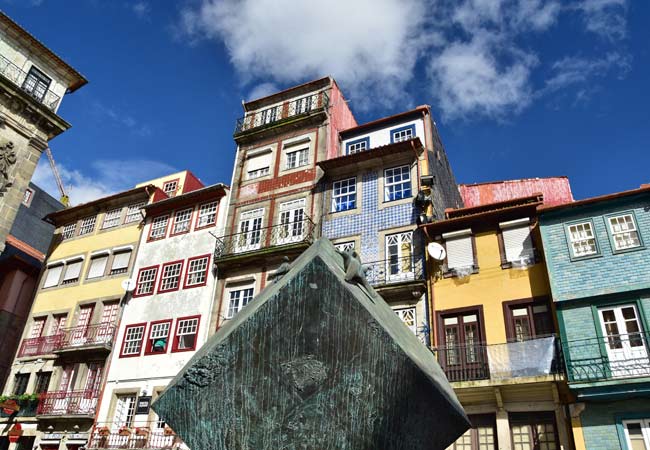
The Ribeira: Porto's oldest quarter, stacked up the hillside in tiers of colour-washed houses connected by stone staircases too narrow for cars. The riverfront quay below is where the city gathers at sunset, drink in hand, watching the light fade over Vila Nova de Gaia.
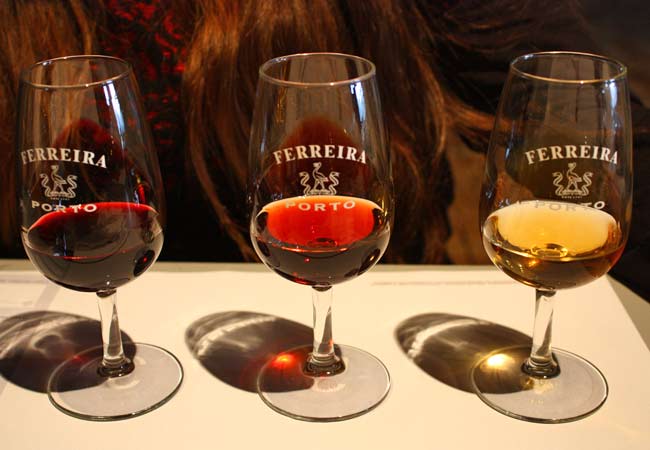
Port: The fortified wine that takes its name from the city and is still aged in the cellars across the river. A tasting is the ritual every visitor makes, choosing between a young ruby, a nutty tawny, or a vintage that may be older than you are.
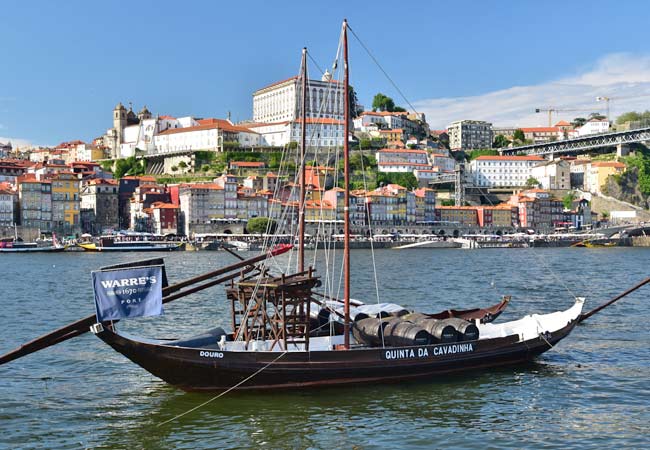
The Douro River: The river that gives Porto its shape, sweeping in a wide curve between the city and Vila Nova de Gaia and crossed by six bridges, two of them designed by Eiffel and his protégé. A boat trip from the Ribeira is the simplest way to see all six in an hour.
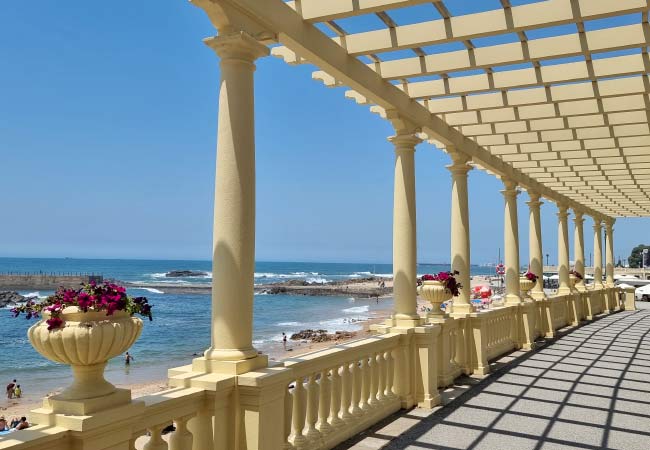
The Foz district: Where the Douro finally meets the Atlantic, and where Porto comes for sea air at the weekend. A long promenade runs along the coast past tide pools and Art Nouveau villas, ending at the lighthouse on the headland.
Related article: The 10 best sights and activities in Porto
How long to stay in Porto?
Two full days is the minimum, three is better, and a week lets you reach into the surrounding region without rushing. Anything less than two and you will be choosing between the historic centre and the Port lodges, which is a choice I would not ask any visitor to make.
Day one is the historic centre, working down from the Sé cathedral at the top of the hill to the Ribeira at the river, with the Torre dos Clérigos, the tiled façade of the Igreja do Carmo, and the Livraria Lello bookshop on the way. End the afternoon at the Miradouro da Serra do Pilar, where the sunset over Porto is the view every visitor remembers. From there, the Ribeira is a short walk back across the bridge for dinner along the quay, while the bars around Rua Galeria de Paris (known to everyone as Bar Street) draw a younger university crowd that keeps things going late.
Day two is for Vila Nova de Gaia, with a morning of Port tasting at the ancient cellars across the river. After lunch, take the traditional tram (line 1) along the riverfront to the Foz district, where the Douro meets the Atlantic and Porto comes to walk the promenade. For a more relaxing afternoon, swap the tram for one of the boat tours that slip beneath the six bridges of the Douro.
Related articles: Two days in Porto - A walking tour of central Porto
The interactive map below shows a suggested itinerary for two days in Porto. The green line shows the route for the first day and the yellow line marks the second day. (Note: Zoom out to see all of the points)
Day one: 1) São Bento train station 2) Torre dos Clérigos 3) Igreja do Carmo 4) Avenida dos Aliados plaza 5) Sé cathedral 6) Ribeira district 7) Igreja de São Francisco 8) Palácio da Bolsa 9) Rua das Flores (shopping street)
Day two: 10) Ponte Luís I bridge 11) Cálem (Port cellar) 12) Sandeman (Port cellar) 13) Ferreira (Port cellar) 14) Foz district
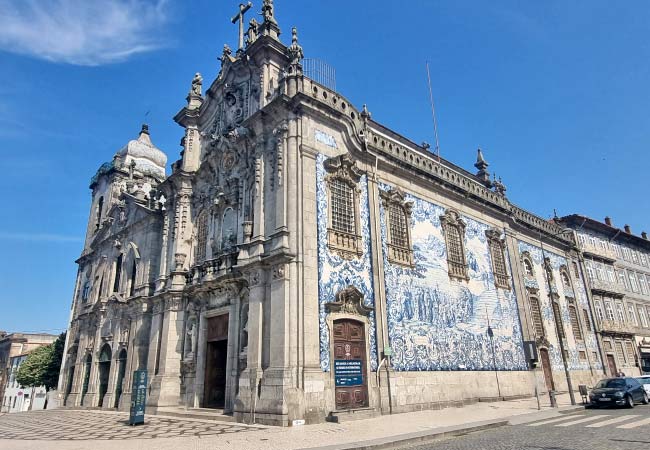
The magnificent Igreja do Carmo church, with its beautiful Azulejo tile murals
What about a longer stay in Porto?
Two days does justice to the city, but it leaves the rest of northern Portugal untouched. The region around Porto is one of the richest in the country, with medieval towns, terraced wine valleys, and Atlantic beaches, all within an hour or two of the city by train. I would happily fill a week with day trips and still leave things for next time.
My suggested itinerary for a week based in Porto would be:
• Day 1 - Porto (historic centre)
• Day 2 - Porto (Vila Nova de Gaia and the Foz district)
• Day 3 - Day trip to Guimarães
• Day 4 - Day trip to Braga
• Day 5 - Day trip to the Douro Valley (by car, train or river cruise)
• Day 6 - Day trip to Aveiro and Costa Nova
• Day 7 - Day trip to Vila do Conde or Lamego
Insight: All of these day trips are possible using public transport, so there is no need for a car while on holiday in Porto.
Related articles: 1 week in Porto - Porto day trips
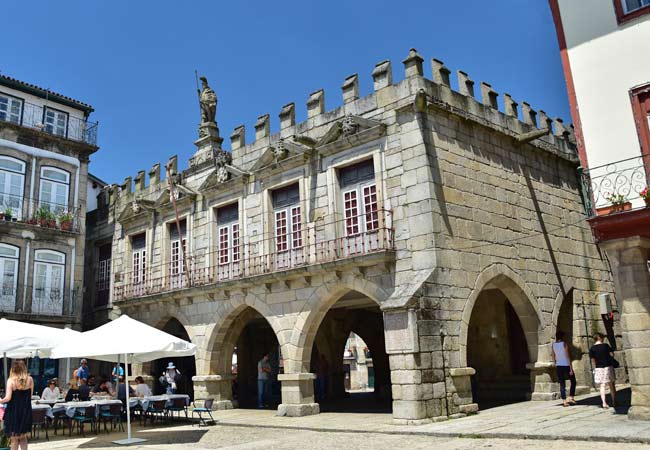
Guimarães is my favourite day trip from Porto
When to visit Porto?
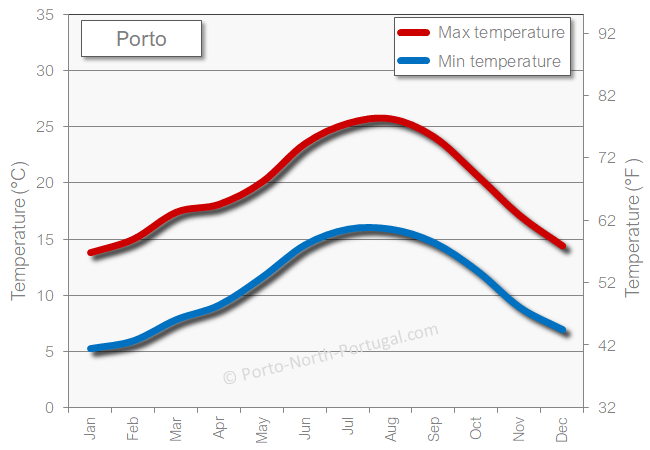
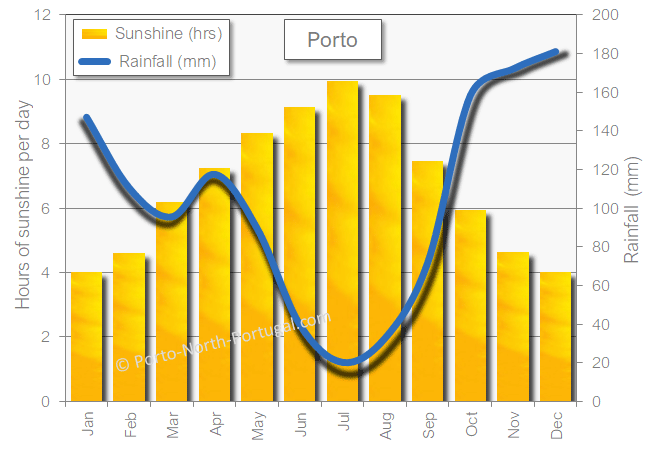
September is my favourite month to visit Porto, as the summer crowds have eased but the weather still feels like summer. Late May into June is the other window I would pick, warm but not yet busy, and the ideal time for exploring the wider region with day trips and even a trip to the beach.
July and August are the hottest and busiest months, but Porto is the best place in Portugal to be during peak summer. The Atlantic keeps the city noticeably cooler than Lisbon or the Algarve, and while it does fill up with tourists, it never reaches the squeeze of Lisbon, Lagos or Sintra. If you are a peak-summer traveller, Porto is the smarter choice.
Winter calls for flexibility. From November to March, Porto can be surprisingly wet, with rain that settles in for days at a time. The plan to make is one with options: if the forecast looks dry, head north to Porto, and if it looks wet, go south to Lisbon or the Algarve, where the weather is usually kinder.
Related article: When to visit Porto?
Where to stay in Porto?
Porto looks sprawling on a map, but the area you will actually want to be in is small enough to walk across in twenty minutes. Get the location right and you are back at your hotel within ten minutes of dinner, the Port lodges, or the river. Get it wrong and you will spend half your trip on the metro.
For a first visit, I would stay on the northern side of the Douro, in or within a short walk of the Ribeira or Baixa districts. This is where Porto's headline sights are concentrated, and where the best restaurants and bars sit within stumbling distance of one another. It is also where the city feels most alive after dark.
As a rule, do not stay more than 400 metres from the edge of these two districts. Porto is built on a steep hillside above the river, and the five-minute walk you measure on a map has a habit of becoming a slow climb back up to your hotel at the end of a long day.
If you are travelling for business rather than sightseeing, the Boavista district sits around 2km west of the historic centre. This is where you will find the international chain hotels, and parking that is neither scarce nor expensive.
Vila Nova de Gaia, on the southern bank of the Douro, puts you among the Port lodges and offers some of the finest views back across the river to the old city. The trade-off is the bridge: you will be crossing it several times a day, and the climb back up to Gaia after dinner in the Ribeira is not one you will want to repeat too often. For a full breakdown of each district, please see this guide.
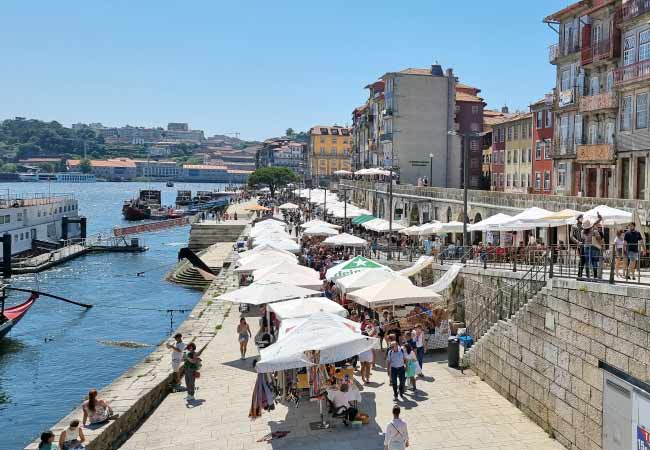
The Ribeira on a summer's day, busy in the best sense, with market stalls, street performers and a lively crowd along the quay. One of the great places in the city to spend an afternoon.
Is Porto an expensive destination?
Porto remains one of the best-value city breaks in Western Europe, and it is still cheaper than Lisbon, though the gap narrows with each passing year. A three-course lunch at a family-run tasca with a glass of wine costs around €15, a glass of house wine in a decent bar rarely tops €4, and a single metro ticket across the city is €1.40.
The headline sights are equally kind to your wallet. Most of Porto's churches are free to enter, the major museums charge €5 to €10, and a Port lodge tour with tasting starts at around €15. None of these are the kind of figures that make you think twice before going in.
Accommodation is where prices have climbed the most in recent years. Porto is no longer the bargain it was a decade ago, particularly between June and September, when a mid-range hotel in the historic centre can easily cost €150 to €200 a night. Booking early, or travelling in the shoulder seasons of May or September, can make a significant difference.
Overall, a week in Porto will cost you noticeably less than the equivalent trip to Barcelona, Rome, or Amsterdam, and the city gives more back for the money than any of them.
Related articles: Cost of a trip to Porto
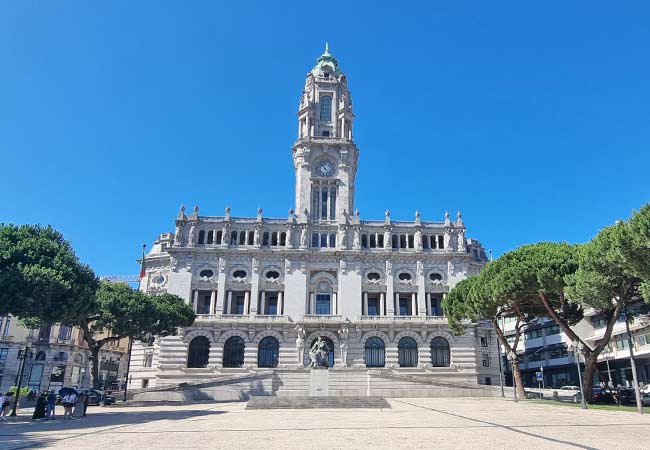
The Câmara Municipal do Porto. Younger than it looks, the building was only completed in 1957, after more than four decades of stop-start construction
Porto is built on hills
Porto is steeper than Lisbon. I say that as someone who lives in Lisbon, climbs its hills daily, and still finds Porto the more demanding city to walk. The historic centre rises sharply from the Douro to the cathedral in a near-continuous climb, and almost every walk you take will end with a flight of steps or a punishing slope. This is not a reason to be put off, but it is something to plan for.
Comfortable shoes with proper grip are essential. Porto's pavements are laid in calçada, the traditional small limestone cubes that turn treacherous in the rain and have caught out more visitors than I care to count. Pace yourself in summer too. The combination of Porto's hills and the August heat is the single most common reason I see tourists wilting on a bench by mid-afternoon.
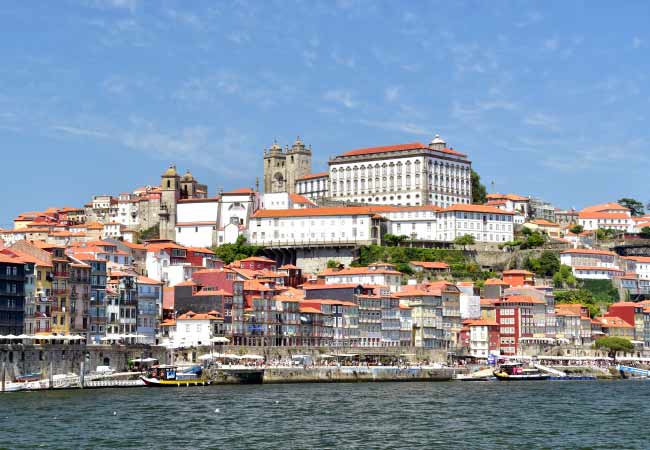
The Ribeira along the waterfront. The cathedral on the skyline sits a good ten storeys higher, which gives some idea of what the climb back up to your hotel involves.
Are there beaches close to Porto?
Most first-time visitors are surprised to learn that Porto sits at the head of one of the loveliest stretches of coastline in northern Europe. A twenty-minute bus or metro ride from the historic centre will put you on golden sand, with the Atlantic rolling in and a seafood lunch waiting at the back of the beach. Few major European cities offer this so easily.
The coast here is known as the Costa Verde. It runs both north and south from the mouth of the Douro in a near-unbroken line of sand, dune and rocky headland. Within the city, the Foz do Douro district has a string of small coves linked by an elegant seafront promenade, ideal for a half-day on foot with the ocean at your shoulder. A short way north, the wide sands of Praia de Matosinhos fill with local families on a sunny weekend, and the streets behind the beach hide some of the finest fish restaurants in Portugal.
Travel a little further and you have the pick of the wider coastline. South of the Douro, the urban train carries you to the wilder beaches around Miramar and Aguda in under forty minutes. To the north, the metro reaches all the way to the historic town of Vila do Conde, where a long arc of dune-backed sand at Azurara waits at the end of the line. If you only have time for one of these, I would send you to Vila do Conde, where the beach, the fish lunch and the working harbour give you a full day rather than half of one.
Related article: Porto beaches
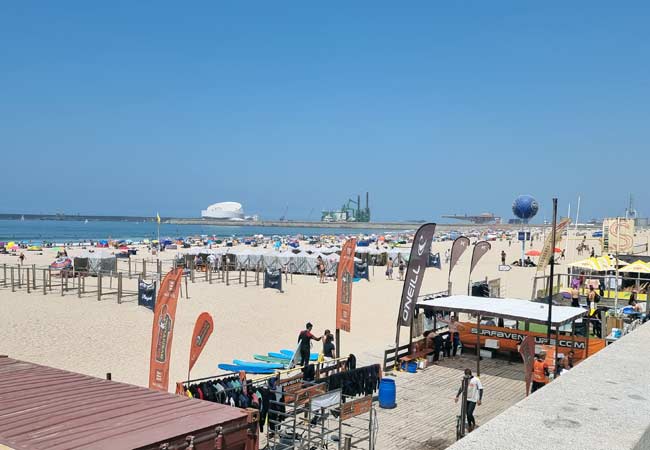
The wide sands of Matosinhos, the closest beach to the city and the one Porto comes to on a sunny weekend.
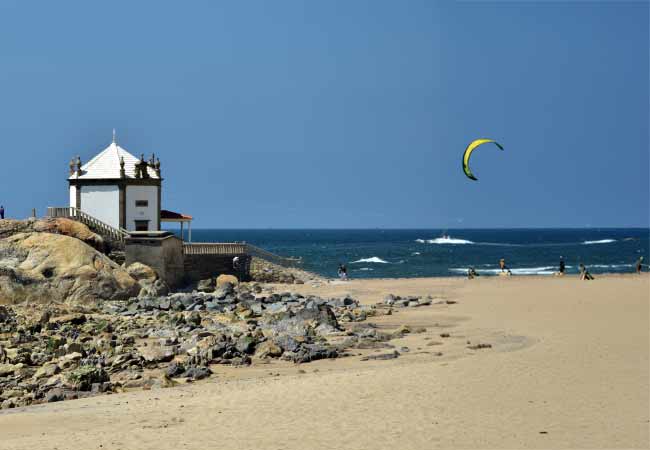
For a quieter day, the beaches around Miramar sit forty minutes south by train
Porto airport and transfers to the city
Porto's Francisco Sá Carneiro Airport is one of the most efficient arrival points in Europe, and consistently ranked among the best airports on the continent for its size. After years of using all three of Portugal's main airports, I would choose Porto over Lisbon or Faro every time, particularly in peak season when the other two struggle under the weight of their own traffic. The airport has a single, modern terminal and sits just 11km north of the city centre, with several options for the onward journey into town.
For most visitors, I would skip the metro on arrival and take an Uber or Bolt. The fare is typically €12 to €16 and the journey takes around twenty-five minutes. After a long flight with luggage in tow, the convenience is worth the few extra euros over the metro. The one caveat is that wait times can occasionally stretch to fifteen or twenty minutes, particularly during the evening rush hour or late at night when several flights land together.
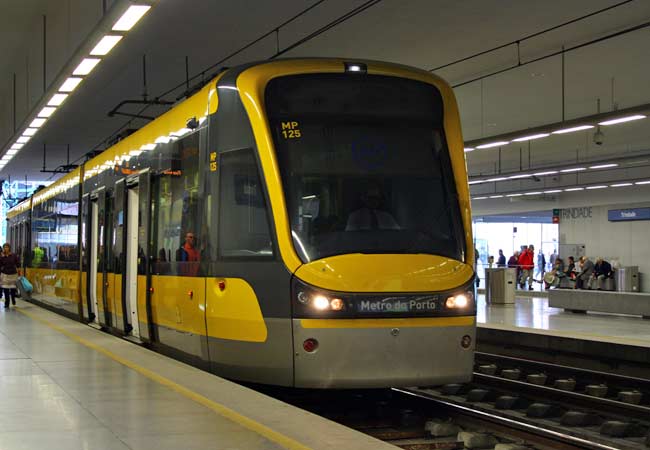
The metro is the most economical option, and the one I would choose if you are travelling light. Line E, the violet line, runs directly from the airport to the city centre with three departures per hour at peak times. A single Z4 ticket costs €2.30, with a one-off €0.60 for the rechargeable Andante card it loads onto. The journey to Trindade, the main interchange in the centre, takes around twenty-seven minutes, and from there the rest of the metro network is at your feet.
Related articles: Porto airport to the city
Should I rent a car while in Porto?
For a trip based in Porto, the short answer is no. The city's historic centre is compact, walkable, and so steeply hilled that a car becomes a liability rather than an asset. The streets are narrow, the parking is scarce and expensive, and the local driving style takes a few days to adjust to even for those of us who live in Portugal. Add a Friday afternoon traffic jam on the Ponte da Arrábida and you will quickly wonder why you bothered.
Public transport handles almost everything else for you. The metro and bus network reaches most of what you will want to see within the city, and Uber and Bolt fill in the gaps inexpensively. Porto's two main train stations, São Bento and Campanhã, put almost every popular day trip within easy reach. Braga, Guimarães, Aveiro and the Douro Valley all have regular direct services from the city, and the trains are cheap, frequent, and far more relaxing than the road.
There are two situations where I would consider hiring a car. The first is if you plan to explore the wilder reaches of northern Portugal: the mountain villages of the Peneda-Gerês National Park, or the remoter corners of the Douro Valley beyond Pinhão. None of these are well served by public transport, and a car opens them up properly. The second is if you want to follow the Costa Verde north of the city, beyond the reach of the metro, to the quieter beaches around Esposende and Viana do Castelo. The train will take you to Viana, but a car gives you the freedom to stop wherever the coast looks inviting.
If you do hire a car, the advice I always give is the same: pick it up on the morning you leave the city and drop it off the moment you return.
Is Porto suitable for children and families?
The honest answer is yes and no, and which one applies will depend largely on your children. Porto is one of the safest and most family-friendly cities in Europe. The Portuguese have a deep affection for children, and you will find them welcomed in every restaurant, hotel and shop, often with more enthusiasm than the adults at your table. The city also offers plenty of activity that crosses the generations, from a ride on the historic tram and a cable car over the Douro to a boat trip beneath the bridges.
The harder truth is that Porto is a city built around adult interests. The Port lodges, the Baroque churches, the long lunches and the wine-focused evenings are not aimed at children. My own nieces tolerate a day walking the city, but they would far rather spend the week on the beach at Cascais.
There is also the matter of the hills. Little legs tire quickly on the climbs, and a pushchair on the calçada paving is hard work for whoever is doing the pushing. None of this rules Porto out as a family destination, but it does mean the city works best for families with older children.
What are the best day trips from Porto?
The real advantage of basing yourself in Porto is how easily the rest of northern Portugal opens up around you. In an hour or less by train you can stand in the courtyard where the first king of Portugal was born, climb a Baroque staircase said to mirror the soul's ascent into heaven, or watch the Douro slip past the terraced vineyards that have produced Port wine for three hundred years. Most of these trips cost less than a decent lunch.
The four I would recommend to any first-time visitor are Guimarães, Braga, Aveiro, and the Douro Valley. Guimarães is the medieval birthplace of the country and, in my view, the finest single day out from the city. Braga pairs the oldest cathedral in Portugal with the great zigzagging staircase at Bom Jesus do Monte, and rounds out the day with some of the best food in the north. Aveiro is a small canal town worth a morning, and pairs perfectly with an afternoon at the candy-striped fishermen's cottages of Costa Nova just along the coast. The Douro Valley, the oldest demarcated wine region in the world, is best seen by a slow scenic train out and a short river cruise back.
Beyond these four, I would steer you towards Vila do Conde for a town with a proper beach attached, Lamego for a quieter alternative to Braga, or Viana do Castelo if you have time for an overnight stay further north. Each one rewards the traveller willing to go a step beyond the obvious, and any of them could comfortably stand in for one of the headline four if you have already seen them.
Related articles: Porto day trips
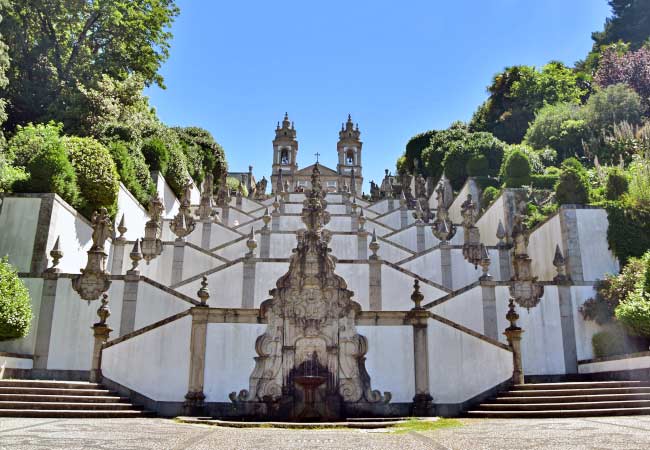
The Bom Jesus do Monte in Braga
Our most popular guides to Porto


Expert Insight: I'm Philip Giddings. I've been visiting Portugal since 2001 and now live here, in the Graça district of Lisbon, with my Portuguese wife Carla, whose family go back generations. Carla first brought me to Porto on an early trip, proud to show me her country, and 25 years on we still travel north almost every month to see her aunt and extended family, who live in the city.
I've been writing the independent guides at Porto-North-Portugal.com since 2010, and the site is now my full-time work. Living in Portugal, married into a Portuguese family, and walking Porto every month gives me a first-hand insight that many foreign blog writers simply don't have.
The site now has 174 guides on Porto and northern Portugal. It takes no payment from tourist boards, tour operators, or attractions for inclusion, and is funded by affiliate commissions on tour bookings, which are disclosed on every page that contains them. Every practical detail (ticket prices, opening hours, bus routes, time-slot policies) is checked against official sources and verified in person on the walks I make through the city. Read my full story here.