Porto-North-Portugal.com
The best independent guide to Porto
Porto-North-Portugal.com
The best independent guide to Porto
Port Cellar Tours and Tastings in Porto: a 2026 guide
Most great wines are made in the countryside. Port is made in a city. For nearly three centuries, the law said every barrel coming down the Douro had to be aged in the cellars of Vila Nova de Gaia. A square kilometre of cool stone cellars. This is where the Port trade lives, and walking through one of its centuries-old lodges, followed by a tasting of the wine that aged inside it, remains the single most memorable thing you can do in Porto.
The result, three centuries on, is a waterfront unlike any other in the wine world. The most famous Port houses sit side by side along a single stretch of river, their names painted across the rooftops in letters tall enough to read from the Porto side. Some are grand family estates that have been here since the 1700s. Others are global names you will recognise from the supermarket shelf, and all of them are open to visitors.
Step inside, and these are not the polished visitor centres you might expect. They are working cellars, where the air is cool and still, where the smell of oak and ageing wine settles into your clothes within minutes, and where each lodge carries the character of the family or company that built it. A typical tour will walk you through the production process from vineyard to bottle, take you among the vast oak casks where the wine is slowly maturing, and finish with a tasting of two or three styles, often a White, a Ruby, and a Tawny of varying ages.
With more than a dozen lodges open to visitors, choosing the right one is harder than it first appears. Some are showpieces built for crowds. Others are quieter, more atmospheric places where the tour feels, in my experience, like a personal introduction to a craft. A few sit directly on the riverfront, easy to find and packed by mid-morning. Head higher up the hill in Gaia and the cellars get noticeably quieter and more atmospheric, even at the busier lodges.
I have been exploring Portugal since 2001, and together with my Portuguese wife I have made Porto our second home for twenty-five years. This guide draws on those years to help you choose the right Port cellar tour for your visit.
Related articles: Introduction to Porto - Top 10 Porto
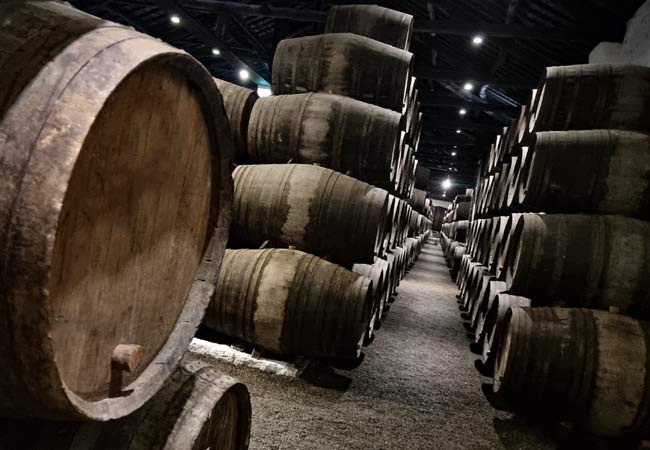
A Tawny's age is how long it has spent in cask, not in bottle. Most are aged ten, twenty, thirty, or forty years
The Port Cellar Tour Experience
Each lodge has its own personality, but the structure of a visit is broadly the same wherever you go. You can expect the following:
• An overview of the Port production process, from the Douro Valley vineyards to the bottle
• The history of the specific company and its role in the Port trade
• A guided walk through the cellars where the wines are aged
• A tasting of two or three different styles of Port
The tasting at the end is the part most people remember. It usually takes the form of a comparison, either across the main styles (a White, a Ruby, and a Tawny side by side) or across different ages of the same style, so you can taste how the wine changes over ten, twenty, or thirty years in the cask. The production talk earlier in the tour matters more than it might first seem, because every part of the tasting is the result of decisions made in the cellar.
Costs and Booking Information
A standard cellar tour with a three-glass tasting costs between €20 and €27 for around an hour with a knowledgeable guide and three glasses of Port at the end. The bigger names (Graham's, Real Companhia Velha) sit at the upper end. Most lodges also offer premium tours at a higher price, which usually include a tasting of older, higher-quality Ports in a private room set aside from the main tour route. If you have a particular interest in Vintage or aged Tawny styles, the upgrade is worth considering.
Most lodges run guided tours at set times in specific languages, with limited spaces on each. The exception is Taylor's, which runs a self-guided audio tour and is a good alternative if everything else is sold out. And do be prepared for the best lodges to sell out at popular times. I routinely see visitors turned away, having assumed they could simply walk in. A few minutes spent booking online the night before will save you a frustrating afternoon. All booking links are below the map.
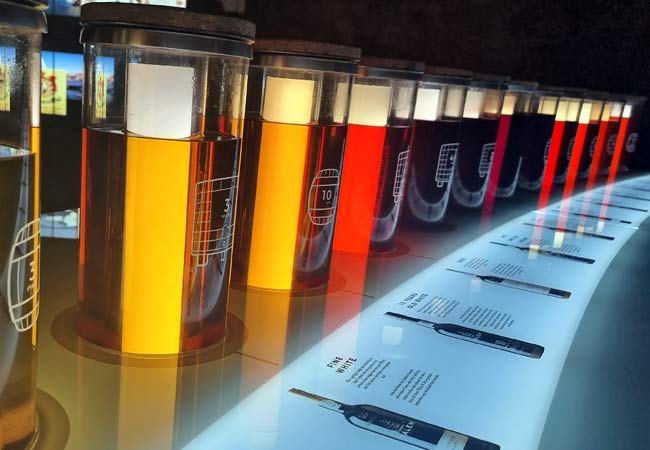
Port lightens with age. The Cálem museum shows how the colour shifts across decades in oak.
Planning Your Visit
I find a cellar tour works best in the late afternoon. The cellars feel cool after a warm day in the city, and a couple of glasses of Port lead naturally into dinner, rather than the afternoon nap that follows a mid-morning tasting.
The lodges fall into two areas. The first sits directly on the riverfront, with Sandeman and Cálem the obvious examples, and these are the easiest to reach and therefore the busiest. The second group is set further back from the water and up the steep hill behind it, with Graham's and Cockburn's the best known. The walk up takes a bit of effort, but the upper lodges are quieter and more atmospheric. The view back over Porto from Graham's terrace is, on its own, worth the climb.
The interactive map below shows where each Port lodge sits, with the main tourist area along the waterfront shaded in yellow. Zoom out to see all of the points.
Key: 1) Augusto's 2) Burmester 3) Cálem 4) Churchill's 5) Cockburn’s 6) Ferreira 7) Fonseca 8) Graham’s 9) Poças 10) Ramos Pinto 11) Real Companhia Velha 12) Sandeman 13) Taylor's 14) Vasconcellos
Most of the lodge tours and tastings can be booked through GetYourGuide. I use it myself when planning trips, partly for the cancellation policy and partly because the prices match the lodge websites. The full review of each lodge follows underneath, if you want to read before you book.
The links above are affiliate links. If you book through them, I earn a small commission at no cost to you.
I really appreciate it, as it helps me keep this website running.
The best Port cellar tours and tastings sessions in Porto
There are more than a dozen Port houses open to visitors, and the choice is wider than it first looks. The lodges differ in size, atmosphere, history, and how busy they get, and the right one for you depends on what you want from the visit. Below is an overview of the ones I recommend, with a brief description of each.
The Port cellars I recommend visiting are: • Ferreira • Cálem • Real Companhia Velha • Graham's • Sandeman • Taylor's • Kopke • Ramos Pinto • Cockburn's
Insight: If you are new to Port, I recommend starting with one of the more tourism-focused cellars, such as Cálem or Sandeman, and then visiting a second, more atmospheric lodge such as Ferreira, Graham's, or Real Companhia Velha. The first gives you the introduction. The second gives you the experience.
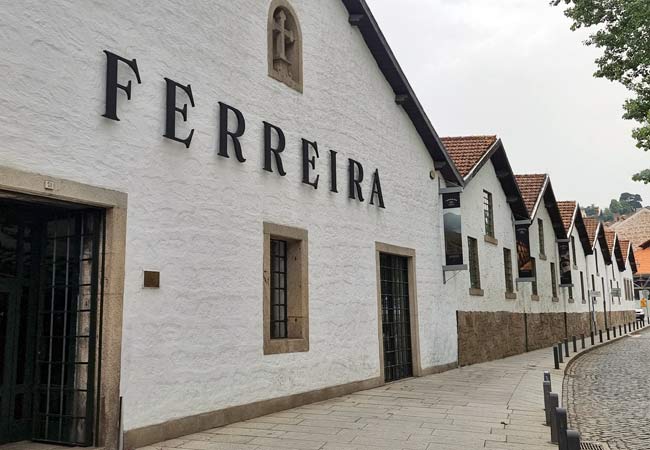
Ferreira. The Port lodge most often recommended to me by Porto locals, and the only major Port house to have remained entirely Portuguese throughout its history. The cellars are housed in a former 18th-century convent, with hundreds of oak casks ageing under high wooden ceilings, and the Vintage Room holds bottles dating back to 1815. The story at the heart of the tour is that of Dona Antónia Adelaide Ferreira, who took over the family business in 1844 in a male-dominated era and turned it into one of the great Port houses of the 19th century. If you visit only one lodge and want it to feel Portuguese, this is the one.
Real Companhia Velha. Founded by Royal Charter of King José I in 1756, under the Marquis of Pombal, this is the oldest Port company in Portugal and the one that created the first demarcated wine region in the world. The cellars are vast and low-lit, and the premium tour takes you to the Vintage room, where bottles dating back to 1765 are still kept. The trade-off is the location, a fair walk back from the riverfront tourism area. www.realcompanhiavelha.pt
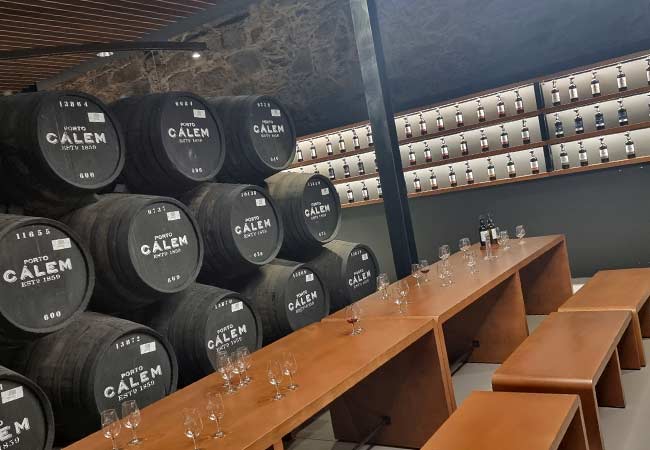
Cálem. A great starting point if you are new to Port. Founded in 1859 and now part of the Sogevinus group, Cálem is the most visited lodge in Gaia, with knowledgeable guides and an interactive museum that walks you through the production process clearly. The downside is the popularity. Tour groups can be large and tastings hurried in high season, so book the earliest slot of the day if you can. The 6pm tour ends with a Fado show. Cálem cellar tour tickets
Graham's. Built on a hill above Gaia in 1890 and one of the most polished tour experiences in the city. The cellars hold around 2,000 oak pipes alongside vintage bottles dating back to the 1890s, and the tasting takes place either in the main room or, for a small upgrade, in the more atmospheric Vintage Room. The walk up from the river takes some effort, but the view back over Porto from the lodge is, on its own, worth the climb. www.grahams-port.com
Sandeman. Right at the heart of the riverfront tourism area, with lively guides and the famous black-caped Don logo you will recognise from the supermarket shelf. The company was started in London in 1790 by George Sandeman, a young Scotsman who borrowed £300 from his father to set up the business. The Gaia lodge sits in a building designed by the Porto architect Joaquim da Costa Lima Sampaio, and is always busy, but for a reason. www.sandeman.com
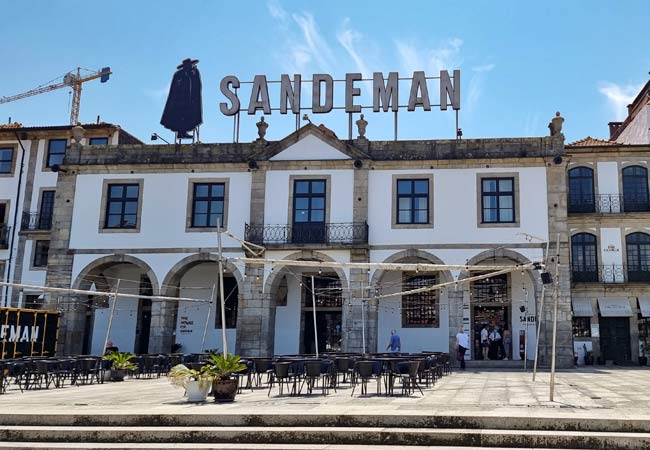
The Don, Sandeman's caped logo, has watched over the Gaia waterfront for over a century.
***Taylor's. One of the oldest Port houses still operating, dating back to 1692, and the only one of the major lodges to have remained an independent family business throughout its history. The tour is self-guided with a multi-language audio handset, which means it is never sold out and works well in high season. The courtyard tasting garden, with its peacocks and views back over Porto, is one of the prettiest spots in Gaia for a glass of Port. www.taylor.pt
Ramos Pinto. The most unusual visit in Gaia. The lodge was founded in 1880 by Adriano Ramos Pinto, a marketing genius whose original 19th-century office has been preserved as a museum, complete with the elaborate throne-like chair he had built for himself and walls of vintage advertisements that pushed boundaries in a Catholic country a hundred years ago. The cellars are smaller than the bigger names, but the social history makes the visit memorable. www.ramospinto.pt
Cockburn's. The largest Port cellar in Gaia by some distance, set back from the river and up the hill behind the bigger names. The cellars run for what feels like several streets, with casks stacked four high through ageing halls that smell of toasted oak and dried fruit. The standout moment is the working cooperage, where you can watch the coopers repair and preserve the wooden barrels by hand. Worth visiting for the cooperage alone. www.cockburns.com
Kopke. The oldest Port house in Gaia, founded in 1638, and the one Port lovers tend to single out for serious tasting. Kopke does not run a tour in the traditional sense; instead, the three-storey building on the waterfront is set up for sit-down flights, with a particular reputation for their Colheitas, single-vintage Tawnies aged for decades in cask. Come here when you already know you like Port and want to taste something serious. kopke1638.com
Burmester. A smaller, lower-key lodge tucked just east of the Ponte Luís I, the only Port lodge on that side of the river and easy to miss as you cross from Porto. The company was founded in London in 1750 by Henry Burmester and John Nash, making it one of the oldest in Gaia, though the lodge itself only opened to visitors in 2012. The Burmester Tawnies, particularly the aged 20- and 30-year-olds, are well regarded among Port lovers.
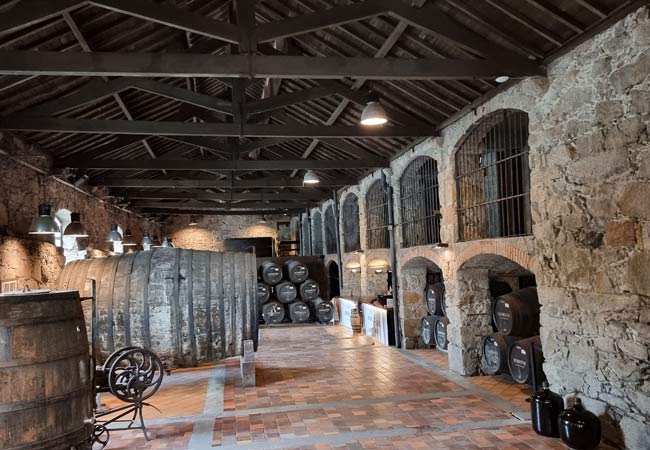
Caves Burmester has been ageing Port on the banks of the Douro since 1750.
Croft. Another contender for oldest, dating back to 1588 and now part of the Taylor's group. The lodge feels closer to a museum than a working cellar, with old documents and photographs alongside the casks, and the tour ends with a tasting of three Ports including Croft Pink, the rosé style they invented. The history runs deeper here than at most of the lodges. www.croftport.com
Offley. Now part of Sogrape, Offley's tour leans heavily on the story of Joseph James Forrester, the Baron of Forrester, who mapped the Douro Valley and shaped the modern Port trade before drowning in the river in 1861. The tour itself is shorter and less polished than the bigger names, but the Forrester story is one of the most interesting in Port's history. sograpevinhos.com/offley
Quinta do Noval. A drop-in tasting room rather than a guided tour, sitting right at the foot of the Dom Luís I bridge as you cross from Porto. Quinta do Noval is best known for producing some of the most expensive Vintage Ports in the world, and the tasting room is one of the few places where you can sit down with a glass of serious Port and a view of the river without booking ahead. www.quintadonoval.com
Vasques de Carvalho. The newest lodge in Gaia, opened in 2018, and one most visitors walk straight past. The tasting room is small, modern, and quiet, which makes it a useful contrast to the bigger names if you have already done one or two of the standard tours and want somewhere most other guidebooks miss. www.vasquesdecarvalho.pt
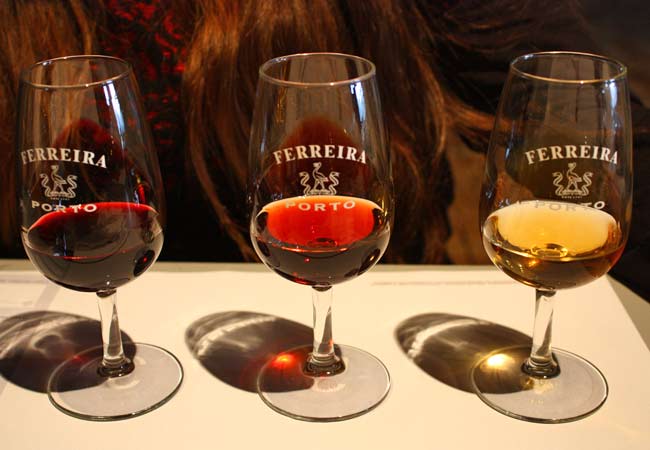
Three glasses, three styles. The classic tasting at the end of any cellar tour.
Buying Port: two tips from twenty-five years of visits
The Port tours are excellent value. The Port shops attached to them are not. For standard bottles of Port, you will pay considerably less in any wine shop in central Porto, or even in the supermarket. Do not feel bad about this. I once went round a lodge with my Portuguese aunt, who tasted carefully, found the bottle she liked, and then walked into the local Pingo Doce that same afternoon and bought it for a third of the price.
A bottle from a meaningful year makes a memorable gift. Every bottle of Port carries the year it was produced, which makes it easy to find one tied to a birthday, an anniversary, or any year that matters to the person you are buying for. My parents still cherish the bottle we gave them for their wedding anniversary, dated 1978. For specific years, the specialist wine shops such as Garrafeira do Carmo and Garrafeira Soares are the places to look, and there are several more scattered around the city.
Why are the Port lodges in Vila Nova de Gaia?
The short answer is that a medieval king wanted to dodge a tax. The longer answer is more interesting.
In the 12th century, the Portuguese crown granted the city of Porto to the bishop, who promptly began taxing every boat that moored in the harbour. By the 13th century, the king had had enough. King Afonso III ordered the establishment of a second port directly across the river, on land outside the bishop's reach, and named it Vila Nova de Gaia. The new town of Gaia.
For five hundred years the two settlements grew side by side. Then, in 1756, the Marquis of Pombal made the arrangement official. To be sold as Port, every barrel coming down the Douro had to be aged on the southern bank of the river, in the cellars of Vila Nova de Gaia. The law has been softened in the years since, but the lodges have stayed where they were. A medieval tax dispute is the reason a square kilometre of Gaia still smells of oak and ageing wine today.
Our most popular guides to Porto


Expert Insight: I'm Philip Giddings. I've been visiting Portugal since 2001 and now live here, in the Graça district of Lisbon, with my Portuguese wife Carla, whose family go back generations. Carla first brought me to Porto on an early trip, proud to show me her country, and 25 years on we still travel north almost every month to see her aunt and extended family, who live in the city.
I've been writing the independent guides at Porto-North-Portugal.com since 2010, and the site is now my full-time work. Living in Portugal, married into a Portuguese family, and walking Porto every month gives me a first-hand insight that many foreign blog writers simply don't have.
The site now has 174 guides on Porto and northern Portugal. It takes no payment from tourist boards, tour operators, or attractions for inclusion, and is funded by affiliate commissions on tour bookings, which are disclosed on every page that contains them. Every practical detail (ticket prices, opening hours, bus routes, time-slot policies) is checked against official sources and verified in person on the walks I make through the city. Read my full story here.